
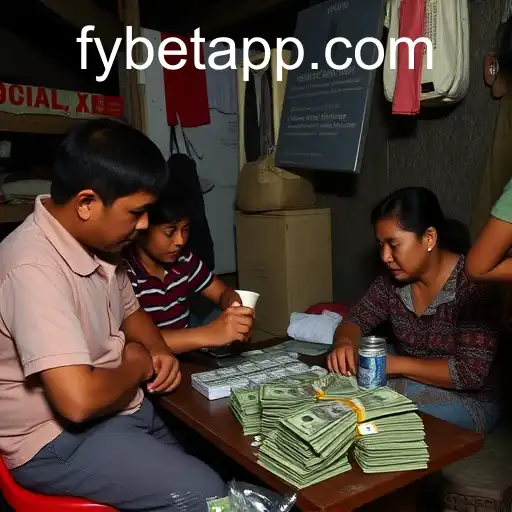
fybet | The Complex World of Jueteng and Its Far-Reaching Implications
fybet’s An in-depth exploration of the illegal numbers game known as Jueteng, its socio-economic impact, the role of corruption, and the emerging influence of Fybet in the landscape.
Understanding Jueteng and Its Impact on Society
Jueteng is an illegal numbers game that has permeated the socio-political fabric of the Philippines for many years. Despite continuous government efforts to eradicate it, Jueteng remains prevalent in many communities, particularly in rural areas. The game involves bettors choosing numbers, which could be drawn as combinations, with winners determined through clandestine means. The complex web of relationships that underlie this betting practice involves local operators, bettors, and corrupt officials who all benefit financially, albeit illegally.
The Mechanics of Jueteng
Jueteng operates similarly to a lottery but is deeply rooted in local culture and practice. Participants place small bets on a combination of numbers, which a cobro, or collector, gathers along with the wagered money. These collectors communicate closely with a cabacera, or head operator, who is responsible for the random drawing of winning numbers, often conducted in secret locations to evade law enforcement.
The Social and Economic Impact of Jueteng
Economically, Jueteng provides a livelihood for many Filipinos, particularly those in impoverished communities. Many citizens view this game as a practical means to potentially uplift themselves from poverty, albeit temporarily. The prospect of winning significant cash rewards with only a minimal investment is a compelling allure for many.
On the social front, Jueteng fosters a sense of community and shared identity among its participants. Unfortunately, it also perpetuates a culture of dependency and false hope, diverting attention from more sustainable economic development strategies. Criminal elements often exploit this dependency to gain influence and legitimacy within communities, further entrenching Jueteng into the community's social structure.
Corruption and Jueteng
One of the most significant impacts of Jueteng is its contribution to systemic corruption. Local officials, law enforcement, and even national leaders have been implicated in Jueteng scandals. In return for substantial bribes or kickbacks, these individuals allow operations to continue unfettered, highlighting the game's deep-seated influence on political corruption.
Attempts to stifle Jueteng have often been thwarted by these corrupt elements within the system, which complicate law enforcement efforts and help maintain Jueteng's hold on local economies. This entrenched corruption erodes public trust in governmental institutions and hinders comprehensive development efforts.
The Role of Fybet in Jueteng
Fybet is an emerging term in the context of Jueteng. It represents a new iteration of betting platforms that leverage modern technology to streamline operations and evade detection. Such platforms have made it increasingly difficult for authorities to identify and dismantle these illegal networks. Fybet facilitates more discreet means of placing bets and collecting earnings, further complicating government's ethical and legal oversight of Jueteng operations.
Efforts to Combat Jueteng
Efforts to combat Jueteng have varied over the years, ranging from punitive measures to reform initiatives. Past attempts have seen increased military and police action, but these have often inadvertently fueled corruption or targeted marginalized populations without providing them alternative means of livelihood. Grassroots campaigns aim to provide education and alternative employment opportunities as deterrents to Jueteng, but these initiatives require robust and sustained support to be effective.
The Future of Jueteng and Its Challenges
Eradicating Jueteng requires a multi-faceted approach that addresses not only the immediate economic incentives but also the ingrained cultural traditions that sustain it. The integration and normalization of Fybet platforms pose a significant challenge, requiring a transformation in both compliance mechanisms and regulatory frameworks. The Philippine government, therefore, must engage in holistic approaches that do not solely focus on punitive measures but also encompass economic, social, and legislative reforms.
Ultimately, the challenge of Jueteng necessitates a comprehensive solution that involves multi-level cooperation among government institutions, community leaders, and international partners to effectively mitigate the social and economic impact of this pervasive issue.
